Share it with your network.


For CPG brands, ensuring that products are visible, correctly placed, and available on shelves is a constant challenge. Most CPG teams still rely on manual store audits or retailer-shared reports to understand what is happening on the shelf. These methods offer limited coverage and lack consistency across locations. As a result, brands struggle to accurately track on-shelf stock availability or confirm whether promotions are executed as planned at scale.
This is where omnichannel retail execution analytics becomes essential. By providing accurate, real-time data from physical stores, brands can quickly identify gaps on the shelves and ensure products are merchandised exactly as intended.
In fact, brands that maintain consistent on-shelf execution across all stores can achieve up to 90% better compliance with planograms and product availability compared to stores with inconsistent shelf monitoring. The shift from traditional, fragmented tracking to integrated analytics allows brands to track performance consistently across multiple locations, improve in-store execution, and make informed decisions faster.
At a Glance:
- Unified Shelf Visibility: Integrates data from multiple stores for a clear view of shelf performance, planogram compliance, and promotions.
- Actionable Insights: Identifies stockouts, misplaced SKUs, and promotional gaps quickly for faster corrective action.
- Optimized In-Store Execution: Monitors share of shelf, product placement, and promotion accuracy to maintain consistent merchandising.
- Continuous Improvement: Uses analytics to refine strategies and create a feedback loop for sustained retail execution performance.
What Is Omnichannel Retail Execution Analytics for CPGs?
Omnichannel retail execution analytics refers to the process of gathering and analyzing data from multiple physical store locations to get a clear view of how products perform on shelves.
For CPG brands, this means understanding how products are displayed, whether planograms are being followed, and if promotional activities are executed as intended.
Here’s why it matters:
- Unified Data Integration: Combines data from various stores to provide a comprehensive view of product performance and consumer behavior.
- Identifies Execution Gaps Quickly: With analytics, CPG teams can detect issues like misplaced SKUs, stockouts, or improper promotional displays and address them before they impact sales.
- Real-Time Shelf Monitoring: Utilizes technologies like computer vision to track on-shelf availability and planogram compliance in physical stores.
- Promotional Tracking: Monitors the effectiveness of promotions across different locations to ensure consistent messaging and execution.
- Competitor Analysis: Provides insights into competitor activities and performance across various channels, aiding in strategic planning.
Also Read: Retail Execution and Monitoring: A Guide for CPGs and Retailers
Key Components of Omnichannel Retail Execution Analytics for CPGs

Effective omnichannel retail execution analytics relies on several core components that ensure data is comprehensive, accurate, and actionable. For CPG brands, these components directly impact shelf performance and in-store execution.
1. On-Shelf Stock Availability
This component monitors whether the right products are present on shelves in the right quantities. It allows CPG brands to quickly spot stockouts, reducing lost sales opportunities. Accurate on-shelf visibility ensures that popular SKUs are always available, improving the chances of purchase and maintaining consumer trust.
2. Share of Shelf Tracking
Share of shelf measures how much shelf space a brand occupies compared to competitors. It shows brand presence visually and highlights ways to optimize placement for better visibility. Brands can adjust their strategy based on real-time data instead of assumptions.
3. Planogram Compliance
Planograms guide how products should be displayed in stores. Monitoring planogram compliance ensures that SKUs are arranged according to brand strategy. Teams can quickly identify and fix deviations, preventing missed sales from incorrect placement.
4. Promotional Execution
Promotions are most effective when executed consistently. Analytics tracks whether in-store promotions are done correctly, ensuring visibility, proper pricing, and placement. Brands can identify gaps in real-time and maximize the impact of marketing campaigns.
By integrating these components, CPG brands can get a complete view of their retail execution performance, helping them make data-driven decisions that drive growth.
Strategies for CPG Success Through Omnichannel Retail Execution Analytics
Data is only valuable when it leads to actionable insights. Omnichannel retail execution analytics can guide field teams and marketing managers to optimize in-store execution. Here are key strategies that can drive CPG success:
1. Prioritize Stores with Execution Gaps
Not all locations perform equally. By analyzing on-shelf stock, planogram compliance, and promotional execution, brands can identify stores with the biggest gaps. Targeted actions enhance product visibility and in-store brand impact.
2. Monitor Competitor Shelf Presence
Understanding how competitor products are positioned on the shelf helps CPG brands make informed decisions about their own placement. Omnichannel analytics tracks share of shelf space, allowing brands to identify opportunities to reclaim premium space, maintain category leadership, and stay competitive in crowded shelf space.
3. Ensure Promotional Accuracy
Promotional campaigns only work if executed correctly. Analytics helps CPG brands check that displays, pricing, and signage are set up as planned. Identifying deviations quickly ensures campaigns achieve their goals and protects marketing ROI.
4. Create a Continuous Feedback Loop
Shelf data should directly trigger corrective actions at the store level. When analytics highlights stockouts, misplaced SKUs, or planogram deviations, field teams can act immediately during store visits. Follow-up shelf images, then confirm whether the issue was resolved. This feedback loop approach keeps execution aligned with brand standards across stores and regions, without relying on assumptions or delayed reporting.
Implementing these strategies lets CPG brands stay agile and responsive to market changes, ensuring ongoing growth and competitive advantage.
Also Read: Understanding Price Compliance and its Costs in Retail
How to Implement Omnichannel Retail Execution Analytics for CPG Brands?
Implementing effective analytics requires a combination of technology, field execution, and strategic oversight. CPG brands can adopt the following approach:
1. Define Clear Objectives
Start by identifying the goals you want to achieve with omnichannel analytics. This could be improving on-shelf stock availability, checking planogram compliance, or tracking promotional execution. Clear objectives guide your choice of tools, metrics, and strategies.
2. Choose the Right Analytics Tools
Select analytics platforms that capture visual shelf data directly from stores and convert it into actionable insights. Tools like ShelfWatch provide real-time shelf visibility, while solutions like Saarthi enable rapid detection of new SKUs. The right tools make your data actionable and reliable.
3. Integrate Data Sources
Consolidate data from various physical stores into a single platform. Integration ensures a unified view of your product performance, helping you spot stockouts, misplaced SKUs, or promotional gaps quickly.
4. Analyze and Interpret Insights
Use your analytics tools to monitor metrics like on-shelf availability, share of shelf, and planogram compliance. Identify patterns, recurring issues, and opportunities for improvement.
5. Develop and Execute Action Plans
Based on insights, create targeted strategies for each store or region. This could mean replenishing stock, fixing SKU placement, or adjusting promotional displays. Action plans should be data-driven and practical for field teams.
6. Monitor Performance and Refine Strategies
Omnichannel analytics is an ongoing process. Track shelf conditions, share of shelf, and compliance KPIs regularly. Use feedback to refine strategies, improve execution, and maintain consistency across stores.
By following these steps, CPG brands can ensure that actionable insights reach the right teams quickly.
Challenges in Implementing Omnichannel Retail Execution Analytics for CPGs
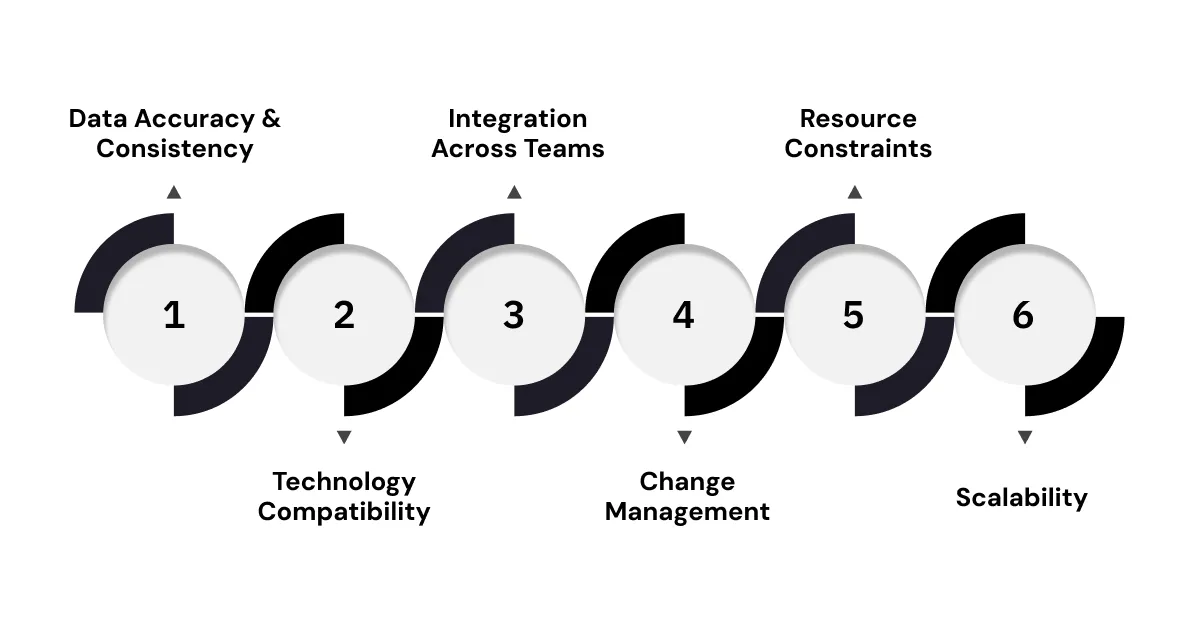
While omnichannel analytics offers significant advantages, CPG brands often face hurdles in leveraging its full potential.
- Data Accuracy and Consistency: Capturing accurate shelf-level data across multiple stores can be challenging. Traditional methods like manual store audits rely heavily on field reps, leading to inconsistent data quality. Differences in store layouts, lighting, and shelf designs can affect analytics quality.
- Technology Compatibility: Analytics tools must seamlessly integrate with existing retail execution systems and processes. Incompatible platforms can create data silos or slow decisions, reducing analytics effectiveness.
- Integration Across Teams: Insights need to reach sales, marketing, and field teams quickly. Brands often struggle to deliver unified analytics to multiple stakeholders.
- Change Management: Using omnichannel analytics often requires organizational changes in processes and roles. Overcoming internal resistance and training teams to act on insights is crucial for successful implementation.
- Resource Constraints: Not all CPG brands have dedicated teams for retail execution. Analytics requires trained staff who can interpret data and take action.
- Scalability: As brands expand to new markets or stores, maintaining analytics consistency becomes harder. Solutions need to be scalable and adaptable to different store formats.
Addressing these challenges requires careful planning, investing in the right technologies, and committing to continuous improvement.
Omnichannel Retail Execution Analytics Tools for CPG Brands
Several tools exist to help CPG brands implement omnichannel retail execution analytics effectively. While some brands rely on manual audits, advanced solutions provide automated, real-time, and scalable insights.
1. Image Recognition Platforms
Image recognition tools capture shelf photos in real time and analyze product placement, availability, and planogram compliance. By detecting misplaced SKUs or stockouts automatically, these platforms reduce manual audits and give sales and marketing teams accurate, actionable insights.
2. Real-Time Dashboards
Dashboards combine data from all stores into a single, clear interface. Sales and marketing teams can monitor trends, track deviations in shelf execution, and spot underperforming locations. These dashboards give instant visibility, enabling faster in-store decisions.
3. Mobile Reporting Tools for Field Teams
Mobile apps let field agents receive store-specific instructions, capture shelf images, and report execution gaps immediately. These tools create a smooth feedback loop, helping teams correct errors, update planograms, and optimize promotional execution on the spot.
4. Automated Alerts and Notifications
Alert systems notify teams when stockouts, incorrect product placement, or promotional gaps occur. By flagging problems in real time, brands can act quickly to prevent lost sales and maintain consistent shelf execution.
These tools give CPG brands actionable insights, support informed decisions, and improve in-store execution.
How ParallelDots Empowers CPG Brands with Omnichannel Retail Execution Insights?
ParallelDots provides CPG brands with the technology to monitor in-store shelf conditions and quickly act on visual data, helping teams respond faster to stock gaps and planogram deviations.
Here's how we can assist you:
- Real-Time Shelf Monitoring: ShelfWatch captures high-resolution images of store shelves and analyzes them continuously. Brands can immediately identify missing SKUs, misplaced products, or planogram deviations, enabling field teams to act quickly and prevent lost sales opportunities. This real-time visibility ensures that every store consistently reflects the intended merchandising strategy.
- Share of Shelf Tracking: With ShelfWatch, brands can measure the proportion of shelf space their products occupy relative to competitors. This allows CPG teams to maintain optimal visibility for high-performing SKUs, ensure balanced category presence, and make informed decisions on product placement adjustments to maximize shelf impact.
- Planogram Compliance Monitoring: Paralleldots ShelfWatch verifies that products are positioned according to established planograms. This reduces execution gaps, ensures consistent merchandising across all stores, and prevents revenue loss from misaligned shelves.
- Promotion Execution Oversight: ParallelDots tracks in-store promotional displays and pricing compliance in real-time, helping CPG brands ensure campaigns are executed accurately. By spotting errors early, brands can protect marketing investments and achieve measurable promotional success.
- Actionable Insights for Field Teams: The platform transforms collected data into practical guidance for sales agents and trade marketing teams. Field agents can focus on corrective actions immediately, cover more stores in a day, and improve overall execution without extra effort or time-consuming manual audits.
- Scalable Solution Across Markets: ParallelDots can handle thousands of stores across multiple regions, providing a unified view of on-shelf performance. Whether a brand operates in local markets or globally, ShelfWatch ensures data consistency and visibility, enabling strategic planning across the stores.
By leveraging these solutions, ParallelDots enables CPG brands to enhance their retail execution, ensuring products are always available, correctly placed, and aligned with strategic objectives.
Request a demo to see how ShelfWatch can optimize your in-store execution.
FAQs
1. What types of data are analyzed in omnichannel retail execution analytics for CPG companies?
CPG companies analyze in-store product placement, planogram compliance, promotional execution, and execution gaps. Combining visual audit data and execution metrics helps brands understand how products perform on shelves and if field teams are following guidelines, enabling better in-store execution.
2. How can CPG brands integrate in-store and online data for a unified customer view?
Brands use mobile reporting and dashboard tools to capture store-specific insights, flag issues, and guide field teams in correcting errors. This ensures consistent product placement, timely promotions, and optimized in-store visibility, keeping sales and marketing teams aligned.
3. What are the key performance metrics tracked through omnichannel retail execution analytics?
Common metrics include planogram compliance, product placement accuracy, promotional execution, and execution gaps. Tracking these indicators helps sales and marketing teams maintain consistent in-store performance and enhance brand visibility.
4. In what ways does omnichannel data improve marketing ROI for CPG companies?
Omnichannel data identifies execution gaps, underperforming stores, and promotional opportunities. It enables targeted in-store actions, better allocation of field team resources, and improved brand visibility, ultimately enhancing ROI on in-store marketing campaigns.
5. What future trends are shaping omnichannel retail execution analytics in the CPG industry?
Emerging trends include real-time visual audit reporting, automated alerts for shelf compliance, and enhanced mobile tools for field teams. These innovations allow CPG brands to maintain consistent execution, respond quickly to store-level issues, and optimize in-store operations.
.png)
.png)
.png)