Share it with your network.


The modern retail shelf is highly competitive. For CPG brands, every inch of shelf space matters. Misplaced products, empty shelves, and inconsistent product displays can directly impact both sales and brand perception.
Despite meticulous planning, manual audits and traditional checks often fail to provide a clear and timely picture of shelf conditions across multiple stores. Field teams can only cover a limited number of outlets, and human error is inevitable.
The global image recognition market for CPG is projected to reach nearly USD 22.99 billion by 2035, driven largely by the need for accurate, scalable visibility into what is actually happening on shelves. By capturing and analyzing visual shelf data, brands can accurately track product placement, monitor stock levels, and ensure compliance with planograms and promotions.
This shift helps brands make quicker decisions, respond to gaps on the shelves, and maintain a competitive edge in crowded retail environments.
At a Glance:
- Shelf Monitoring: Image recognition provides clear visibility into on-shelf availability, helping CPG brands identify stockouts and monitor product presence across stores.
- Planogram Compliance: Automated detection highlights misplaced or missing SKUs, allowing teams to monitor whether products are placed according to the agreed planogram.
- Share of Shelf Tracking: Brands can track the amount of shelf space their products occupy compared to competitors and monitor changes at the SKU level.
- Retail Execution Visibility: Real-time shelf data helps field teams monitor in-store conditions, verify promotional implementation, and identify execution gaps during store visits.
What is Image Recognition and How it Works for CPG Brands?
Image recognition is a type of artificial intelligence that identifies objects in images. For CPG brands, it’s most valuable in physical stores, where it can analyze in-store shelves and provide real-time insights on stock levels, share of shelf, and planogram compliance.
Here’s how image recognition works for CPG brands:
- Shelf Imaging: High-resolution images of store shelves are captured using mobile apps or in-store cameras, creating a visual record of product placement on the shelves.
- SKU Detection: Advanced computer vision identifies individual products on the shelf, including their facing, position, and arrangement according to the planogram.
- Stock Availability Monitoring: The software detects out-of-stock items or low-stock situations on the shelf, allowing teams to respond quickly and maintain product availability.
- Planogram Compliance Verification: Image recognition highlights products that are misplaced or not aligned with the brand’s predefined shelf layout, ensuring consistent merchandising across stores.
- Share of Shelf Analysis: The technology measures the proportion of shelf space occupied by each brand and SKU, helping CPG teams track visibility against competitors in real time.
- Real-Time Data Processing: Large volumes of shelf images are analyzed rapidly, providing near real-time insights that allow teams to take corrective action at the store level.
By automating the capture and analysis of shelf data, image recognition allows CPG brands to maintain accurate, up-to-date information about product placement and visibility. This ensures correct product presentation, reduces manual audit time, and drives more effective retail execution strategies.
Key Ways CPG Brands Are Using Image Recognition for In-Store Execution and Shelf Visibility
.jpg)
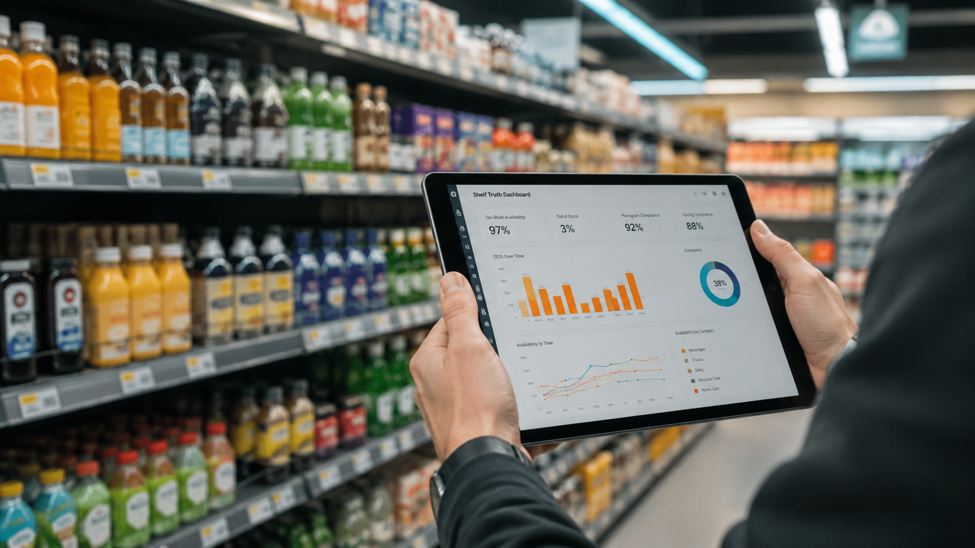
Image recognition technology helps CPG brands tackle several challenges in physical stores. Here are the primary applications:
1. Monitoring On-Shelf Stock Levels
Ensuring products are consistently available on the shelf is critical for driving sales. Image recognition helps brands detect shelf gaps and stockouts in real time.
- Detect Stockouts: Quickly identify products that are out of stock, allowing field teams to replenish shelves without delay.
- Monitor Low Stock: Highlight items with limited availability to maintain on-shelf presence and consistent display.
- Ensure Consistency: Maintain a full and consistent presentation across all locations, reducing revenue loss from unavailable products.
By continuously monitoring stock, brands can address issues proactively and ensure products are always ready for purchase.
2. Tracking Share of Shelf
Share of shelf determines how much physical space a brand occupies compared to competitors. Maintaining a strong presence increases product discoverability and purchase likelihood.
- Space Measurement: Accurately calculate the percentage of shelf space your products occupy versus competitors.
- Gap Identification: Highlight areas where shelf share is below target, allowing corrective action.
- Prioritize Key Products: Ensure high-priority SKUs get adequate space to maximize visibility.
By monitoring the share of shelf, brands can optimize their presence in stores and strengthen their overall in-store performance strategy.
3. Ensuring Planogram Compliance
Correct product placement according to planograms is essential for brand consistency and effective retail execution. Image recognition provides precise insights into compliance across locations.
- Deviation Detection: Identify misplaced items, incorrect facings, or wrong shelf locations.
- Corrective Actions: Enable field teams to fix planogram errors promptly.
- Maintain Brand Standards: Ensure every store presents products consistently, reinforcing marketing strategies.
Maintaining planogram compliance helps brands avoid execution gaps and ensures in-store presentation aligns with marketing objectives.
4. Monitoring Promotion Implementation
Promotional campaigns require precise execution to deliver expected outcomes. Image recognition helps verify that promotions are displayed as intended.
- Promotion Verification: Confirm that promotional materials and signage are correctly positioned.
- Consistency Across Stores: Ensure campaigns are executed uniformly across multiple locations.
- Accurate Implementation Tracking: Quickly identify stores where promotions are not displayed correctly, enabling timely corrective action.
Effective promotion monitoring helps brands maximize the impact of marketing initiatives and safeguard their investment.
5. Improving Field Force Productivity
Limited visibility into shelf conditions can make it challenging for field agents to prioritize their store visits. With image recognition, CPG teams gain clear, real-time insights into shelf stock, planogram compliance, and promotional gaps, helping them focus on the stores and issues that matter most.
- Automated Data Capture: Field agents can capture shelf images quickly, reducing time spent on manual checks while maintaining control over their work.
- Extended Coverage: With clear visibility of shelf conditions, teams can visit more stores per day, addressing the most critical gaps first.
- Actionable Insights: Reports highlight planogram deviations and stockouts that require attention, helping agents focus their efforts where they matter most.
By improving productivity, CPG brands can optimize their field operations while ensuring the timely resolution of shelf-level issues.
6. Multi-Store Coverage
Reaching multiple retail locations efficiently is a key challenge for CPG brands. Image recognition scales shelf monitoring, allowing comprehensive coverage without increasing labor costs.
- Broader Reach: Collect shelf images from hundreds of stores simultaneously without overloading field teams.
- Consistent Insights: Standardize data collection and analysis across all locations for reliable benchmarking.
- Time and Cost Efficiency: Reduce the need for frequent store visits, allowing teams to focus on strategic activities.
Scalable monitoring ensures brands maintain consistent shelf visibility across all locations, helping teams respond quickly and confidently.
Overall, image recognition enables CPG brands to maintain optimal shelf visibility, uphold planogram standards, and execute promotions effectively. It provides actionable insights that streamline operations and enhance retail execution without replacing human oversight.
Challenges CPG Brands Face When Implementing Image Recognition
.jpg)
While image recognition offers significant advantages, CPG brands often face hurdles when adopting the technology. Recognizing and addressing these issues early helps ensure smooth deployment and stronger ROI.
- Integrating with Field Workflows: Ensuring that field agents can capture shelf images efficiently without disrupting store visits is essential for smooth adoption.
- Maintaining Data Accuracy: AI models must be trained to recognize diverse SKUs and packaging variations. Any misidentification can result in inaccurate shelf insights.
- Processing Large Volumes of Images: Brands generate vast amounts of shelf data across stores. Efficient AI systems are needed to analyze images quickly and deliver actionable results.
- Adoption Resistance: Some teams may prefer traditional audits. Clear training, communication, and evidence of benefits help overcome hesitation.
- Keeping Planograms Updated: Frequent planogram changes require systems to reflect updates promptly to maintain accurate compliance tracking.
- Cost and Resource Considerations: Implementing AI-based solutions involves investment in software, training, and processes, so brands should weigh costs carefully against efficiency gains.
How ParallelDots Helps CPGs Transform Shelf Visibility with Image Recognition?
ParallelDots provides CPG brands with a comprehensive solution to address the challenges of in-store shelf visibility. By leveraging advanced image recognition technology, it provides real-time visual shelf data that enables sales and marketing teams to make informed decisions.
Here’s how we can support you:
- Real-Time On-Shelf Stock Monitoring: ParallelDots ShelfWatch captures images of shelves and identifies missing or low-stock products instantly. Sales teams can respond quickly, ensuring products are consistently available and visible to shoppers.
- Share of Shelf Tracking: The platform measures your brand’s presence relative to competitors. This data helps sales and marketing teams prioritize stores for interventions and maximize product visibility across retail networks.
- Planogram Compliance: ParallelDots ShelfWatch checks that every SKU is placed according to the set planogram. Deviations are flagged immediately, enabling field teams to correct errors and maintain consistent merchandising standards.
- Promotional Execution Verification: The platform ensures that promotions, signage, and displays are correctly implemented across stores. Brands can track promotional compliance visually, boosting the effectiveness of campaigns.
- Rapid SKU Recognition with Saarthi: ParallelDots’ Saarthi trains AI models to detect new SKUs on shelves within 48 hours. Automated annotation and high-accuracy KPIs keep monitoring up-to-date, reducing manual effort and supporting quick decision-making.
With ParallelDots, CPG brands gain complete visibility into their in-store shelf performance, enabling precise, data-driven retail execution. Request a demo today to see how Shelfwatch can optimize your shelf visibility.
Frequently Asked Questions
1. What data can image recognition collect in physical retail stores?
Brands can collect data on product placement, shelf share, stock levels, price compliance, planogram adherence, and competitor visibility. It also helps identify out-of-stock items and track promotional displays, giving brands real-time insights into in-store execution.
2. How do CPG brands protect data privacy when using image recognition tools?
CPG brands use encrypted data transmission, anonymized image processing, and secure cloud storage. They comply with privacy regulations like GDPR, ensuring no personal or sensitive shopper data is collected or stored, keeping all product and shelf-level insights strictly brand-focused.
3. What hardware or software is needed to implement image recognition at scale?
Implementation requires smartphones or tablets with cameras, a reliable internet connection, and access to an AI-powered shelf monitoring platform. For large-scale deployments, cloud-based infrastructure and API integrations support centralized data access and real-time brand visibility.
4. How can image recognition integrate with existing retail execution systems?
Image recognition tools integrate through APIs, syncing captured shelf data with retail execution dashboards or marketing systems. This enables brands to combine in-store insights with sales and distribution data for unified performance tracking and smarter decision-making.
5. Which KPIs improve with image recognition in stores?
Key KPIs like shelf availability, planogram compliance, share of shelf, and promotion execution accuracy improve. Brands also see faster retail audits, better shelf visibility, and more effective merchandising actions through data-driven insights.
.png)
.png)